
04 — Wildlife & Safari
Photographic Safaris
A Photographic Safari is a wildlife safari designed for travellers who want to experience Africa while giving photography more time and attention. Instead of moving quickly from one sighting to another, the experience allows guests to observe wildlife, study the light, choose compositions and wait for natural behaviour to unfold.
The Experience
Photography becomes part of the safari.
Instead of moving quickly from one sighting to another, the experience allows guests to observe wildlife, study the light, choose compositions and wait for natural behaviour to unfold.
Beginners & enthusiasts
Photographic safaris are suitable for beginners, wildlife enthusiasts, experienced photographers and professionals.
Patience & observation
Expensive equipment is not essential; patience, observation and a good understanding of your camera are often more important.
Genuine moments
The goal is not simply to photograph an animal, but to capture a genuine moment and tell the story of the wilderness.
What Can You Photograph?
Wildlife, behaviour & landscapes
A photographic safari can provide opportunities to photograph a wide variety of wildlife and landscapes, depending on the destination, season and local conditions.
- Elephants
- Lions
- Leopards
- Buffalo
- Rhinoceros
- Giraffes
- Zebras
- Hippos
- Antelope
- Birds and birds in flight
- Wildlife behaviour and interactions
- Rivers, wetlands and savannah landscapes
- Sunrises, sunsets and environmental scenes
Why Choose a Photographic Safari?
Time and flexibility
The main advantage is time and flexibility. Wildlife photography often requires waiting for the right combination of light, behaviour, background and position.
A photographer may choose to spend longer with a particular sighting to capture natural animal behaviour, feeding or drinking, grooming and social interaction, movement and action, birds taking flight, reflections on water, wildlife within its natural landscape, and sunrise and sunset scenes.
The goal is not simply to photograph an animal, but to capture a genuine moment and tell the story of the wilderness.
Natural behaviour
Observe and wait for genuine moments rather than simply moving from sighting to sighting.
Light & position
Allow time to study light, choose compositions and work with the available position and background.
Action & flight
Be ready for movement, action and birds taking flight.
Environmental scenes
Include reflections, landscapes, sunrise and sunset scenes when conditions allow.
Photography & Light
Work with changing natural conditions.
Early morning and late afternoon often provide softer, more directional light and can create attractive colours, shadows, silhouettes and background tones. These periods can be particularly rewarding for wildlife photography.
However, photography is possible throughout the day. Camera settings should be adjusted according to the available light, subject movement and the equipment being used.
Safari Vehicles & Photographic Opportunities
A practical platform for wildlife photography
Vehicle-based photography is one of the most common ways to photograph African wildlife. In some specialist photographic safaris, vehicles may provide additional space and practical camera support such as bean bags or other stabilisation systems.
A suitable vehicle can help photographers work comfortably while maintaining a safe and respectful distance from wildlife. Smaller groups or private vehicles can also provide greater flexibility, depending on the destination and safari arrangement.
Photographic Hides
Stay concealed and wait quietly.
Some safari destinations offer photographic hides, which allow photographers to remain concealed while waiting for wildlife to approach naturally.
Patient waiting
Hides may be positioned near waterholes where wildlife may naturally visit.
Quiet observation
River-side hides can provide a different setting for wildlife photography.
Another viewpoint
Hides may also be positioned near wetlands or other areas frequently visited by wildlife.
Water-Based Photography
Rivers, wetlands & reflections
Rivers and wetlands provide another excellent photographic perspective.
Chobe National Park & Okavango Delta
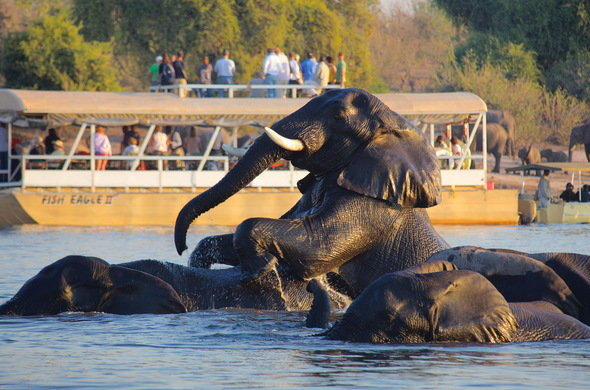
In places such as Chobe National Park and the Okavango Delta in Botswana, boat-based experiences can provide opportunities to photograph elephants, hippos, crocodiles, waterbirds and reflections.
Zambezi & Lower Zambezi
In Zambia, river environments such as the Zambezi and Lower Zambezi can also provide opportunities for wildlife, bird and landscape photography.
Walking Photography
See the smaller details.
Where permitted, guided walking safaris can offer a completely different photographic experience. Walking encourages guests to notice smaller details such as birds, plants, tracks, insects, landscapes and animal signs that can easily be missed from a vehicle.
Photographic Safari Destinations
Explore four distinct environments.
Wildlife, walking & river environments
Zambia is well suited to wildlife photography, with diverse habitats and strong opportunities for both wildlife and landscape photography.
South Luangwa National Park is particularly well known for walking safaris, wildlife viewing and birdlife. Seasonal changes can produce very different photographic conditions.
The Lower Zambezi combines wildlife, river scenery and water-based safari experiences, creating opportunities for photographing animals, birds and landscapes from different perspectives.
Rivers, wetlands & floodplains
Botswana offers a combination of rivers, wetlands, floodplains, woodland and open wildlife habitats.
Chobe National Park is especially well known for elephants and river-based wildlife viewing. The Chobe River can provide excellent opportunities to photograph elephants, hippos, crocodiles and waterbirds.
The Okavango Delta provides a distinctive wetland environment with game drives, boating and mokoro experiences. Wildlife and photographic opportunities vary with seasonal water and food conditions.
Wildlife & distinctive landscapes
Namibia combines wildlife photography with some of Africa's most distinctive landscapes.
Etosha National Park is an important wildlife photography destination, where open landscapes and sparse vegetation can provide clear views of animals such as elephants, rhinoceros, lions, giraffes, zebras and many bird species.
Namibia also offers opportunities to combine wildlife photography with dramatic desert and landscape scenes.
Established wildlife & safari areas
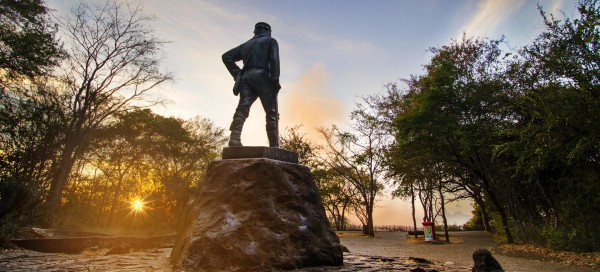
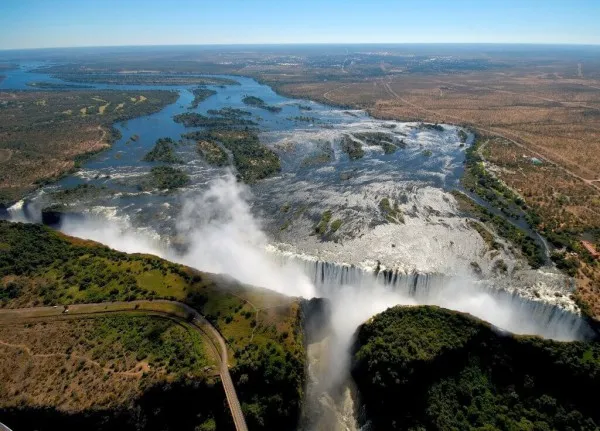
Zimbabwe offers established wildlife and photographic safari areas, including Hwange, Mana Pools and the Victoria Falls region.
The exact photographic opportunities vary according to the park, season, concession, safari operator and local regulations.
Recommended Camera Equipment
Useful equipment without overcomplicating your kit.
You do not need professional equipment to enjoy a photographic safari, but the following can be useful:
Telephoto or zoom lens
Helpful for distant wildlife and birds.
Wide-angle lens
Useful for landscapes, large herds and environmental wildlife photographs.
Bean bag, monopod or tripod
Can provide additional stability, depending on the vehicle and activity.
Extra batteries and memory cards
Important because photography sessions can be long and opportunities can happen unexpectedly.
Cleaning equipment and protection
Dust, water and outdoor conditions can affect camera equipment, so basic protection is important.
Practise before travelling
Always practise with your equipment before travelling so that you can change settings confidently in the field.
Basic Wildlife Photography Tips
Simple field habits that matter.
- Focus on the Moment Wildlife photography is about behaviour as much as appearance. Watch for movement, interaction, feeding, drinking, grooming, flight and other natural activities.
- Use the Right Shutter Speed Fast-moving animals and birds generally require faster shutter speeds, while stationary subjects allow more flexibility.
- Focus Carefully For animal portraits, accurate focus on the eye can make the photograph much stronger.
- Watch the Background A clean, natural background can help separate the subject and create a more effective composition.
- Include the Environment Sometimes the most meaningful photograph is not a close-up. Showing an animal within its landscape can communicate its habitat and create a stronger visual story.
Wildlife Photography Ethics
Wildlife welfare must always come before photography.
Guests should never chase, disturb, corner, bait, feed or deliberately stress an animal to obtain a photograph. Do not make unnecessary sounds or movements to attract wildlife.
Maintain a respectful distance and follow the instructions of your guide and the rules of the park or protected area.
When photographing local communities or individuals, always ask permission first and respect their decision.
Safety
Stay alert in a wild and unpredictable environment.
A photographic safari takes place in a natural environment where wildlife remains unpredictable.
- Follow the guide's instructions at all times.
- Remain in the vehicle unless the guide has authorised leaving it.
- Never approach wildlife independently.
- Keep voices and movements controlled around animals.
- Protect cameras from dust, water and accidental damage.
- Follow all national park, reserve and conservation regulations.
Best Time for a Photographic Safari
There is no single best season.
There is no single best season for every destination or every type of photography.
During many dry-season periods in southern Africa, wildlife can become easier to locate around remaining water sources and vegetation may be less dense.
Green or wet seasons can provide lush vegetation, dramatic skies, colourful landscapes and strong opportunities for bird and nature photography.
The ideal travel period therefore depends on your destination, target species, preferred landscapes and the type of photographs you hope to capture.
Water sources & visibility
Wildlife can become easier to locate around remaining water sources and vegetation may be less dense.
Lush & dramatic conditions
Lush vegetation, dramatic skies, colourful landscapes and strong opportunities for bird and nature photography may be available.
Who Is a Photographic Safari For?
Designed for different levels of experience.
Learn in the field
Beginners who want to learn wildlife photography in the field.
More time with wildlife
Hobby and enthusiast photographers who want more time with wildlife.
Work with light & behaviour
Experienced photographers looking for better opportunities to work with light, composition and behaviour.
Specialised arrangements
Professional photographers who require specialised arrangements, equipment support or carefully planned itineraries.
Important to Remember
Nature sets the conditions.
A safari takes place in wild and unpredictable nature. No ethical operator can guarantee a particular animal, behaviour, photograph, weather condition or perfect lighting.
The real value of a photographic safari is the opportunity to spend meaningful time in the wilderness, observe animals naturally, learn from experienced guides and be ready when an unforgettable moment happens.
Experience Africa Through the Lens
Zambia, Zimbabwe, Botswana & Namibia
Explore the wildlife, landscapes and natural beauty of Zambia, Zimbabwe, Botswana and Namibia with Max Adventure Trails.
Bring your camera, take your time, respect the wild and capture the moments that make Africa unforgettable.
Book Your Safari
Bring your camera, take your time, respect the wild and capture the moments that make Africa unforgettable.
Book Your Safari →