
- 1 Views
- 15 Min Read
- (0) Comment
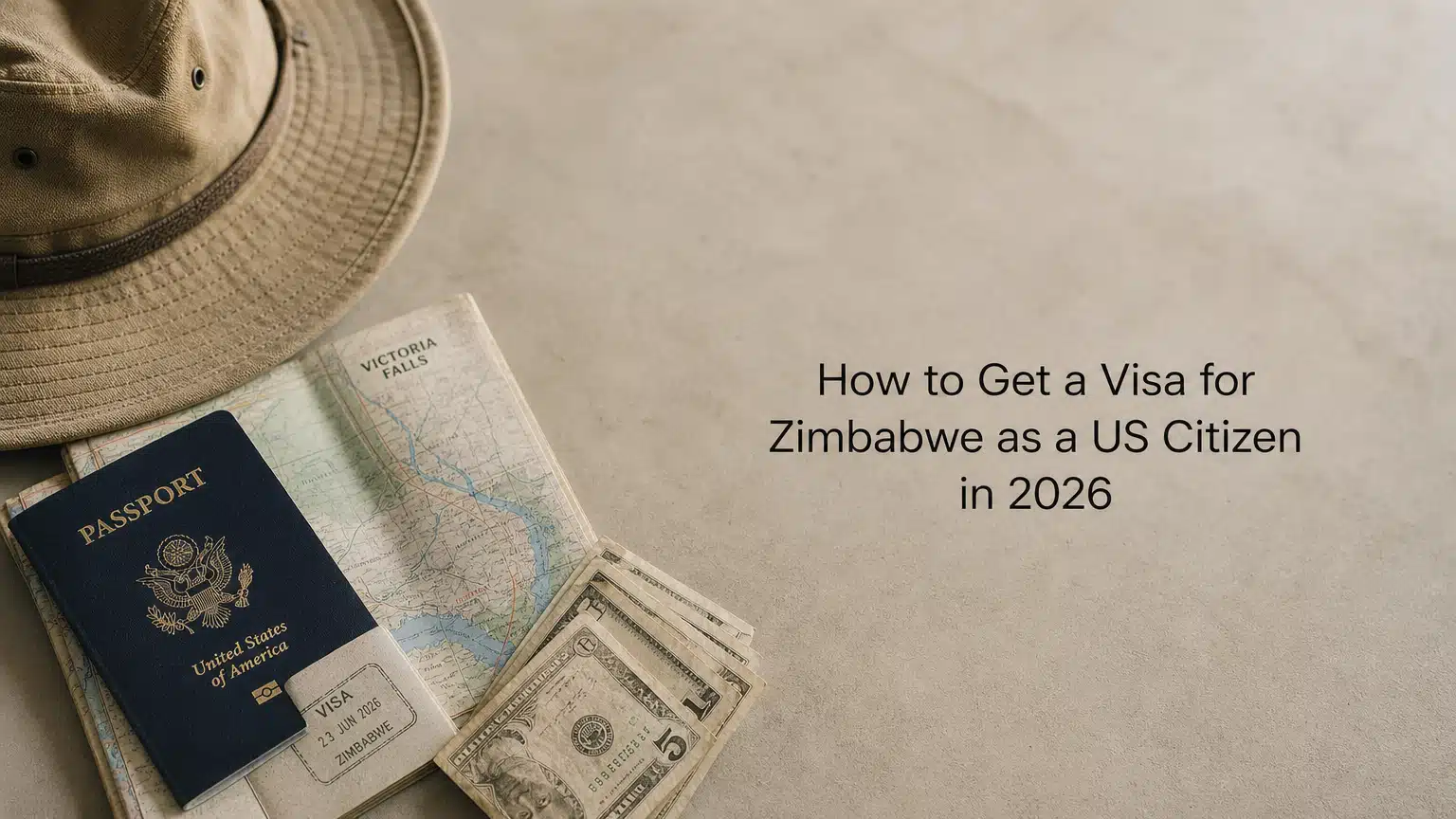
Yes, US citizens need a visa for Zimbabwe. You can apply online in advance on the official eVisa portal at evisa.gov.zw, or buy the visa when you land at an airport or border post. For US passport holders, a single-entry visa costs $30 and a double-entry visa costs $45, paid in US dollars. Applying online first is the better choice, because it shortens the line at immigration and gives you a confirmation to show.
The confusion is understandable. Zimbabwe sorts nationalities into three visa categories, fees change by passport, and websites quote different prices and rules. Some pages say you cannot apply ahead. Others push third-party sites that add a service charge. Meanwhile you are trying to fit a visa around flights, a stay at Victoria Falls, and maybe a day trip to Zambia or Botswana.
This guide walks you through it in order. You will confirm that you need a visa, check your passport and documents, pick the right visa type, apply online, learn the on-arrival option as a backup, and clear immigration without problems. Maximum Adventure Trails is based in Victoria Falls and helps travelers with visas alongside its tours, so the practical details below reflect how guests actually arrive and cross borders here.
Why US citizens need a visa for Zimbabwe
US citizens need a visa for any tourist stay in Zimbabwe, and the visa is simple to get. Zimbabwe’s immigration department puts US passports in a group that may either apply online before travel or buy the visa at the port of entry. You do not need to visit an embassy, and you do not need an agent, although an agent can handle the paperwork for you.
Where US passports fall in Zimbabwe’s categories
Zimbabwe divides nationalities into three visa categories. A US passport sits in Category B, so you choose between applying online ahead of time and getting the visa at the border. Here is how the categories work.
| Category | What it means | Examples |
|---|---|---|
| A | No visa needed. You still complete the immigration declaration form. | South Africa, Zambia, Botswana, Namibia, Kenya |
| B | Visa on arrival, or apply online before you travel. | United States, United Kingdom, Canada, Australia, India, most of Europe |
| C | Visa must be approved before you travel. | Nigeria, Philippines, Thailand, Pakistan |
That system explains why advice online conflicts. A page written for a Category C traveler tells you to apply weeks ahead. A page written for a British traveler quotes higher fees. Your US passport follows the Category B route and the US fee schedule, so ignore anything that does not match.
A US passport lets you either apply online before you fly or buy the visa at the border, so the real decision is how much time you want to spend at the counter.
eVisa or visa on arrival: which route to pick
The eVisa and the visa on arrival are the same visa at the same price. What changes is where you spend the time and how much risk you carry on arrival day. For a standard tourist trip, the online route wins almost every time.
| eVisa (online) | Visa on arrival | |
|---|---|---|
| Where you apply | evisa.gov.zw, before you fly | Counter at the airport or border post |
| Single-entry fee | $30 | $30 |
| Payment | Online during the application | Cash or card at the counter, so bring cash |
| At immigration | Passport is scanned and the visa is stamped | You complete the form at the counter, then pay, which slows you down |
| Best for | Almost every tourist | Last-minute trips, or a backup if the portal fails |
One rule applies to both routes. The tourist or visitor visa covers tourism, business meetings, and transit. If you plan any other activity, such as paid work, you must secure a visa before you travel, as the US State Department notes. Get the right visa for the purpose of your trip before you board.
Step 1. Check your passport and trip documents
Check your passport first, because passport problems are the most common reason travelers get stopped. You need a passport valid for at least six months from your entry date and at least two blank pages. You also need a return ticket and enough money to cover your stay.
Passport rules that stop travelers at the gate
Zimbabwe’s embassy in Washington and the main visa guides give the same rule: a passport valid for six months from the day you arrive. The US State Department says only that the passport must be valid at entry. Follow the stricter rule, since an airline can refuse boarding on the stricter reading. Check your expiry date now, and renew before you book if you are close.
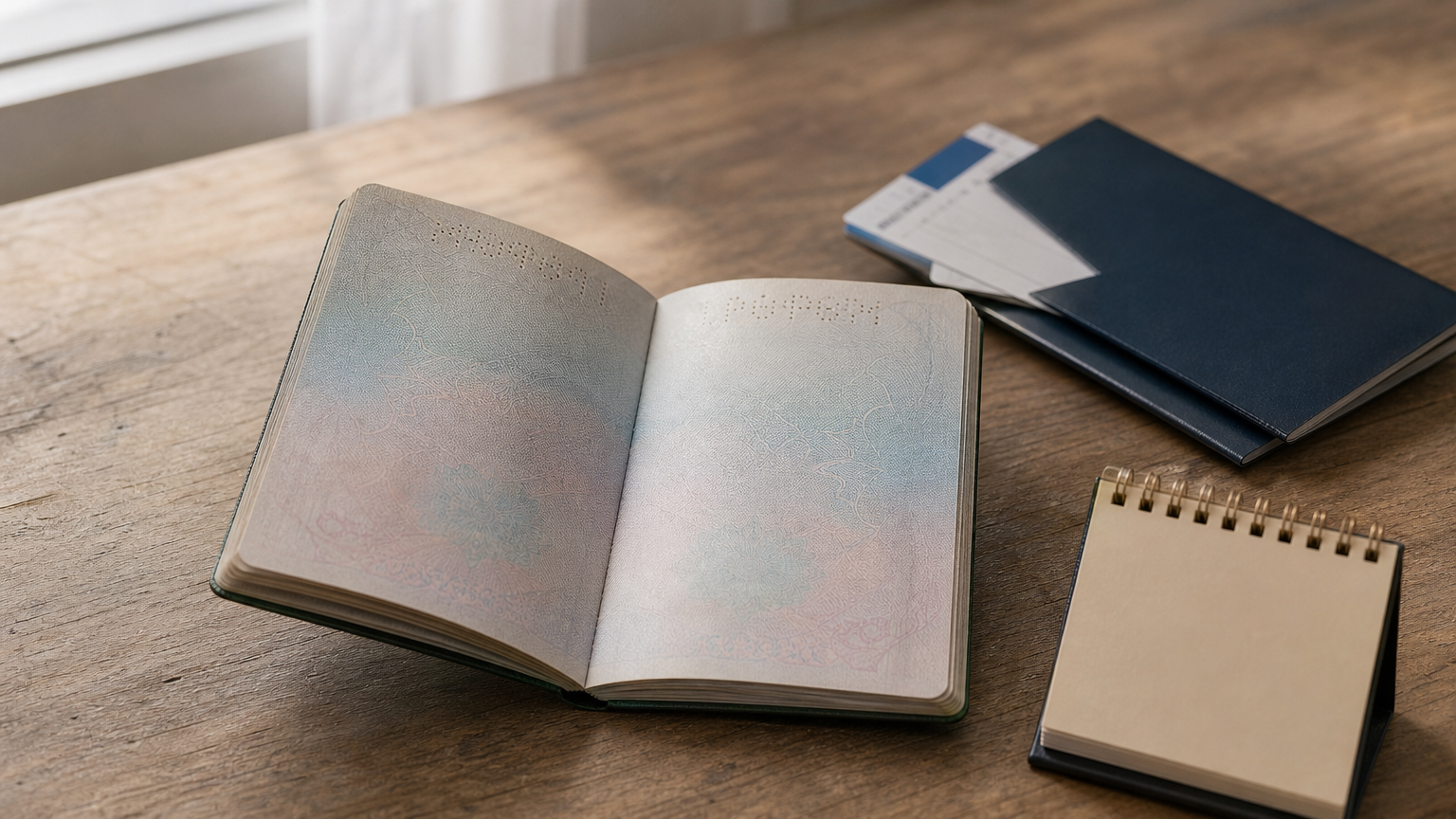
Blank pages matter more than people expect. Zimbabwe needs two blank pages. If you route through South Africa, you need six blank pages: two for each transit in each direction and two for Zimbabwe. South African officials enforce this strictly and will turn you around if the pages are missing. Count the pages you have before you buy tickets. A worked example makes the number clear: a round trip through Johannesburg to Victoria Falls uses 2 pages going, 2 pages coming back, and 2 pages for the Zimbabwe entry, which totals 6.
Count your blank passport pages before you book, because a South Africa connection raises the requirement from two pages to six.
Other documents to carry
Immigration officers can ask for more than your passport. Keep these together in your hand luggage, on paper and on your phone:
- Return or onward ticket
- Proof of funds for your stay, such as a bank card and some cash
- Address of your first hotel or lodge, which the declaration form asks for
- Your eVisa confirmation, if you applied online
- A yellow fever certificate, if your route passes through a country where yellow fever is endemic (the CDC lists current health guidance for Zimbabwe)
- For children, a copy of the birth certificate. A parent traveling alone with a child should also carry a notarized consent letter from the other parent, or proof of sole custody
If you connect through South Africa or Botswana with minors, those countries enforce their own child-travel rules. They ask for an unabridged birth certificate showing both parents’ names. They also ask for an affidavit from any non-traveling parent, notarized within three months of travel.
Step 2. Choose your visa type
Choose the visa that matches the number of times you will enter Zimbabwe, not the number of days you will stay. A single-entry visa at $30 works if you enter once and leave once. If you cross into Zambia or Botswana and return, you need a double-entry, multiple-entry, or KAZA visa.
Fees by visa type and passport
For US passports, a single-entry visa costs $30 and a double-entry visa costs $45. A multiple-entry visa for a one-month window has been listed at $55, and a 12-month multiple-entry visa has been listed at $160. Multiple-entry pricing varies by validity period, so check the fee screen on the portal before you pay. Fees differ for some other passports.
| Passport | Single entry | Double entry | Multiple entry |
|---|---|---|---|
| United States, Australia | $30 | $45 | Varies by validity, see portal |
| United Kingdom, Ireland | $55 | $70 | $90 |
| Canada | $75 | Not offered | Not offered |
| China | $60 | $90 | Not listed |
Children pay the same full fee as adults. Zimbabwe charges full visa fees for anyone who needs a visa, infants included. A family of four on US passports with single-entry visas pays 4 × $30 = $120.
Matching the visa to your route
Count the times you will enter Zimbabwe, not the number of countries you visit. A common Victoria Falls plan is to stay in Zimbabwe, cross the bridge for a day in Zambia, and return. That is two Zimbabwe entries, so you need a double-entry visa or better. For a US couple, that costs 2 × $45 = $90.
Add a Chobe day trip from Botswana and you now enter Zimbabwe three times. The KAZA Univisa covers this. It allows multiple entries between Zimbabwe and Zambia and day trips into Botswana. Our Kaza Univisa service costs $50 per person and you apply for it online. For the same couple, that is 2 × $50 = $100, and it covers all three entries. One warning: if you spend a night in Botswana, the KAZA visa becomes invalid and you need a new one.
Zambia’s own entry rules for US citizens are separate from Zimbabwe’s. Confirm Zambia’s current requirement before you pay for a KAZA visa. If you do not need a Zambia visa and you only cross twice, the $45 double-entry visa is cheaper.
Count how many times you will enter Zimbabwe, then buy the cheapest visa that covers that number.
Step 3. Apply for the eVisa online
Apply on the official Zimbabwe eVisa platform at evisa.gov.zw. The application combines your visa request and your immigration declaration in one online form. Set aside about 15 minutes, and apply at least a week before you fly so you have a buffer for payment problems.
Prepare before you open the portal
Use only the official government site. Its address ends in gov.zw. Lookalike sites charge service fees on top of the $30 and may give you nothing official. Open the portal from a typed address rather than from an ad.
Gather this information so the form does not time out on you:
- Your passport, open to the photo page
- A clear image of that page on your phone or computer, in case the portal asks for a scan or photo
- Arrival date, port of entry, and the address of your first night’s stay
- Planned length of stay and purpose of travel
- A payment card for the fee
Names and passport numbers must match your passport exactly. One wrong digit can cause trouble when officers scan your passport at immigration.
Complete the application
The portal screens can change, so treat the order below as a guide. The sequence stays the same:
- Open evisa.gov.zw and start the online visa application and immigration declaration form.
- Enter your passport details exactly as they appear in your passport.
- Fill in your trip details: arrival date, port of entry, address in Zimbabwe, and purpose of visit.
- Select your visa type: single, double, multiple, or KAZA.
- Review every field, especially the passport number and dates.
- Pay the fee online. A single-entry visa for a US passport is $30.
- Save the confirmation, screenshot it, and print a copy.
Category B applications such as yours are generally approved right away. When your passport is scanned at the airport or border, the visa is stamped without further delay. Category C applications are not instant, which is why you may read about waiting times on other pages.
After you pay
Keep the confirmation in two places: printed in your carry-on, and saved offline on your phone. Airport Wi-Fi and mobile signal can fail at the moment you need them. If you spot an error after submitting, contact the Department of Immigration at customercare@zimimmigration.gov.zw before you travel. Its office in Harare is open 07:45 to 16:00, Monday to Friday, except public holidays.
Apply on evisa.gov.zw, not through a middleman, and carry a printed confirmation in case your phone loses signal.
Step 4. Get the visa on arrival instead
If you did not apply online, you can still get a visa on arrival in Zimbabwe at airports and land border posts. Expect a longer wait at the counter, and bring cash. This is a legitimate backup, and some travelers use it deliberately when plans change at the last minute.
The counter process
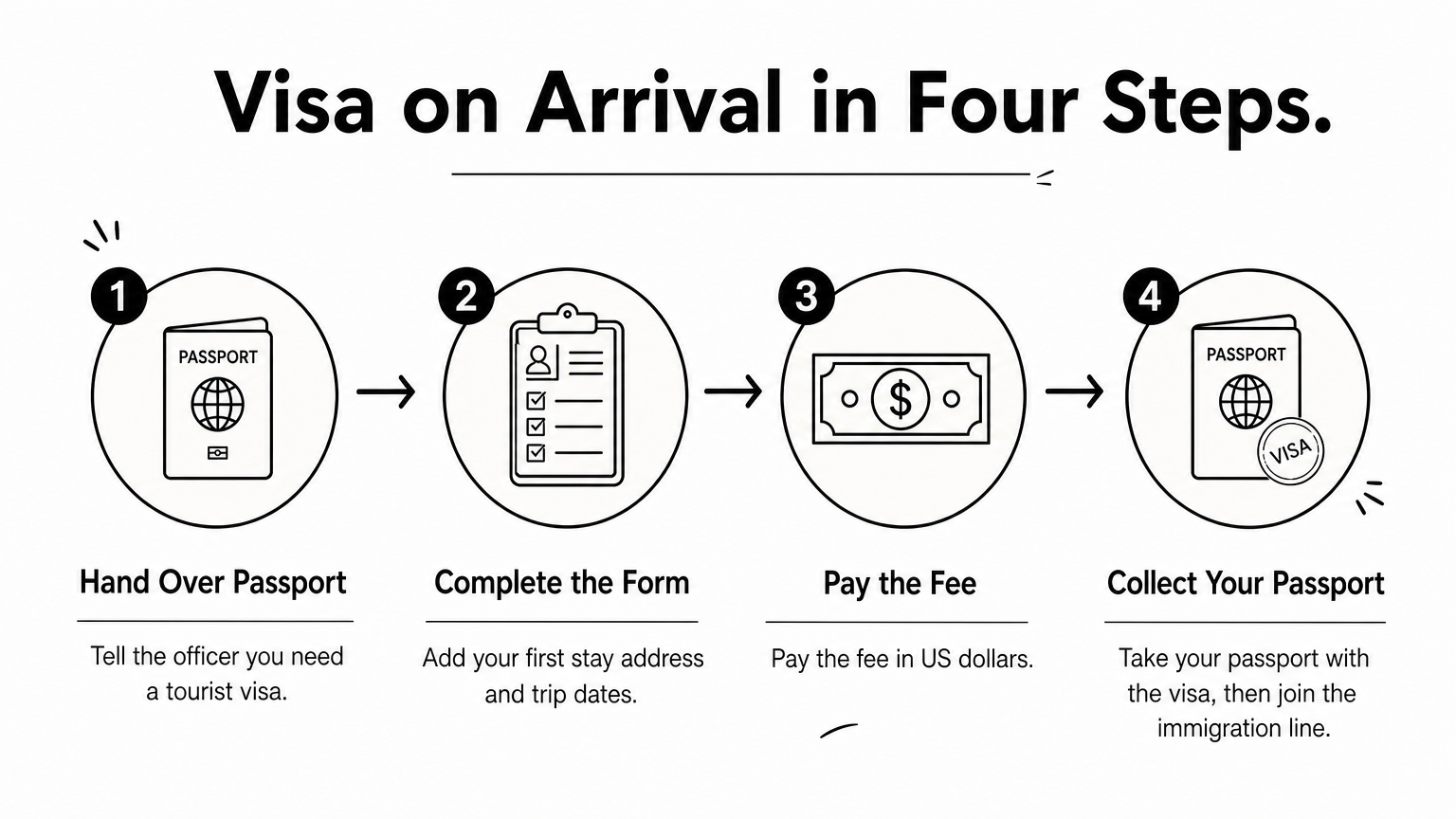
At the port of entry, go to the visa counter before the main immigration line. You will complete the online visa application and immigration declaration form there, since officers now use the same system. Then you pay the fee and wait for your passport to be processed. Without a pre-application, the form is completed at the counter, and that delays your entry.
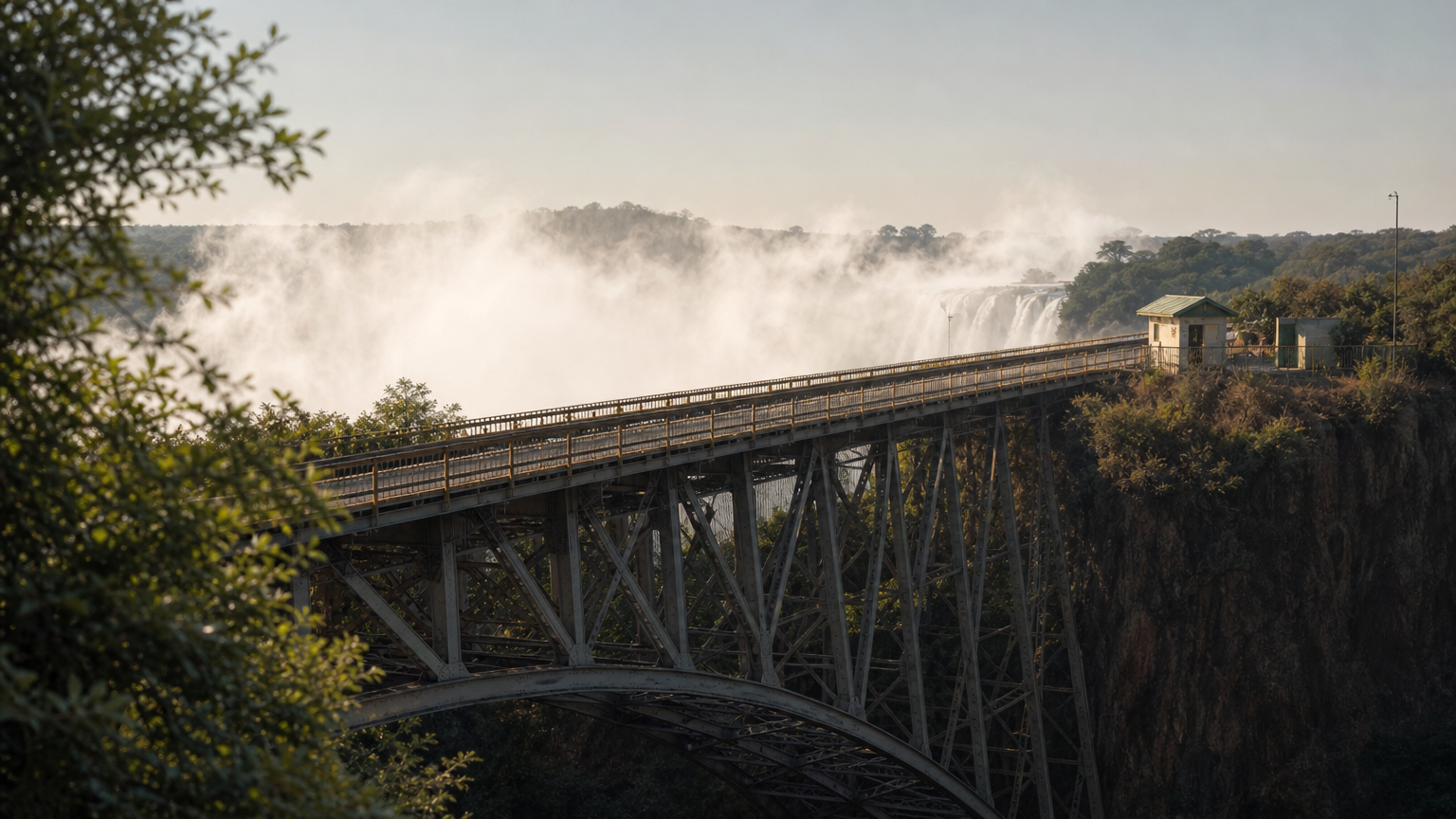
The land borders work the same way. If you cross from Zambia over the Victoria Falls Bridge for a day trip, you will pass an immigration post and may need a visa at that post. We offer private cross-border transfers between Zimbabwe, Zambia, and Botswana for guests who cross these borders.
Follow this sequence at the counter:
- Hand over your passport and tell the officer you need a tourist visa.
- Complete the form with the address of your first stay and your trip dates.
- Pay the fee in US dollars.
- Collect your passport with the visa, then join the immigration line.
Cash and backup plans
Bring clean, crisp US bills in small denominations. Zimbabwean businesses often refuse torn, marked, or old notes, and change for $50 and $100 bills is hard to find. Even if the counter accepts cards, do not rely on the card machine working. For a single-entry visa at $30, carry exact change. For two people with double-entry visas, bring $90.
If the online portal fails when you try to apply, do not panic and do not pay a third party. Arrive prepared for the on-arrival route with cash and your documents. Many travelers apply online, pay, and still carry the cash as a backup. That combination covers nearly every problem.
Treat visa on arrival as your backup plan: bring exact change in clean US bills and leave extra time for the counter.
Step 5. Clear immigration and stay legal
At immigration, hand over your passport, answer a few questions about your trip, and let the officer scan your documents. Once you have your visa and a stamp, the visa for Zimbabwe has done its job. What remains is keeping your paperwork and cash in order for the duration of your stay and for departure.
At the immigration desk
Officers may ask where you are staying, how long you plan to stay, and whether you have a return ticket. Answer briefly and consistently with your declaration form. Keep your return ticket, hotel address, and visa confirmation in one folder so you can show them quickly. If you applied online, the officer should see your visa in the system when your passport is scanned.
Check the stamp or approval before you walk away. Note the authorized-until date on your visa. A single-entry visa is valid for about 30 days. A visa that lets you enter twice still has a short validity window, so do not assume you can stay as long as you like.
Money declarations
Zimbabwe has no limit on cash you bring in, but it limits what you take out. You can leave with no more than $2,000 in total cash, counting US dollars, local currency, and other foreign cash together. If you want to leave with more, you must have declared it when you arrived. Complete the customs declaration, called Form 47, at entry and list the cash you carry.
Cash is the main way to pay for most things in Zimbabwe. The official currency is the Zimbabwe Gold (ZiG), but visitors mostly use US dollars in small bills. Few places accept international credit cards, and ATMs do not always dispense cash. Pay for hotels, flights, and tours before you travel, and carry cash for tips, meals, and small purchases.
Overstays
An overstay can cost you more than a missed flight. Fines for overstaying a visa can exceed $1,000 and can involve time in jail. If your trip runs longer than planned, contact the Department of Immigration before the visa expires, and do not wait until the last day. Keep a copy of your passport and visa separate from the originals, as the State Department advises, and leave originals in the hotel safe.
Know the exact date your visa expires, because an overstay fine can reach over $1,000.
Visa questions travelers ask most
These are the follow-up questions that come up after the main process, and each has a short answer. Check each one against your own travel plans.
Other passports
A UK or Irish passport also falls in Category B, but the fees are higher: $55 single, $70 double, and $90 multiple. Canadian passports can only get a single-entry visa, at $75. Indian passports are also Category B, so the same online or on-arrival route applies, and you should confirm the exact fee on the portal. The steps in this guide work for any Category B passport. Only the price changes.
If your country is in Category C, you cannot rely on arrival at the border. You must apply online first and wait for approval, which is not instant. Apply early, because you cannot board without the approved visa.
Business and non-tourist trips
Tourist visas cover tourism, short business meetings, and transit. If you plan to work, volunteer, or run a business activity, you need a visa before you arrive, and the on-arrival counter is the wrong place to sort it out. Ask the Department of Immigration which permit applies. Before you start a business or profession, check which permits or licenses local authorities require.
For a typical safari or honeymoon, none of this applies. You need the tourist visa, your passport, and your return ticket.
Embassy and safety advisory
The US State Department advises that there is no option to get a tourist visa in advance through the Zimbabwean embassy in Washington. The eVisa portal is your advance route. Before you book, read the current State Department travel advisory for Zimbabwe. It covers crime, demonstrations, and local laws, and it is updated as conditions change. Enroll in the Smart Traveler Enrollment Program so the embassy can reach you in an emergency.
Get the visa sorted, then plan the trip
To get a visa for Zimbabwe as a US citizen, confirm your passport has six months of validity and two blank pages, choose a single, double, multiple, or KAZA visa to match your route, and apply on evisa.gov.zw. If you skip the portal, bring clean US cash and buy the visa at the border. Carry your confirmation, return ticket, and proof of funds, and watch your visa expiry date.
Once the visa is handled, the rest of the trip is the fun part. We run Victoria Falls, Chobe, Hwange, and Okavango Delta trips, and we can line up transfers and itineraries around your entry dates. When you are ready, browse our tours and book your safari.