

07 — Wildlife & Safari
4×4 Safari Experiences
Explore Africa's wilderness from the seat of a capable 4×4 safari vehicle.
What Is a 4×4 Safari Experience?
A wildlife and wilderness adventure designed around vehicle-based exploration, wildlife viewing and nature observation.
A 4×4 Safari Experience is a wildlife and wilderness adventure conducted in a four-wheel-drive vehicle, allowing travellers to explore safari areas where roads and tracks may include gravel, sand, mud, uneven ground, rocky sections or other challenging terrain.
Unlike a conventional road journey, the purpose of a 4×4 safari is primarily wildlife viewing, nature observation and exploration of the surrounding wilderness. The vehicle provides a practical way to cover larger areas than can normally be explored on foot, while allowing guests to observe animals and landscapes from a relatively protected position.
A 4×4 vehicle is especially useful in remote safari environments because some parks, reserves and wilderness areas have rough or unsealed access routes. In Botswana, for example, the tourism authority notes that four-wheel drive is required in national parks and reserves as well as remote areas, while Namibia's tourism authority recommends 4×4 vehicles for certain off-road conditions and guided 4×4 tours in more challenging terrain.
A four-wheel-drive vehicle may be used on established safari roads and tracks, and access to off-road areas is controlled by the rules of the particular national park, reserve, concession or private property.
In Botswana, for example, off-road driving and night driving are prohibited in official national parks and reserves, while some private concession areas permit controlled off-road driving and night activities.
How It Works
How a 4×4 Safari Works
Each drive is planned around the destination, conditions, wildlife activity, regulations and the interests of the guests.
A typical 4×4 safari begins with a departure from a lodge, safari camp, meeting point or other designated location. The route is then planned according to the destination, current road and weather conditions, wildlife activity, conservation regulations and the interests of the guests.
During the safari, the vehicle travels through suitable safari routes while guests and guides look for signs of wildlife and observe the surrounding ecosystem.
A guide may interpret animal tracks and footprints, droppings and other signs of animal activity, calls and sounds, feeding behaviour, water sources, vegetation and habitats, bird activity, and changes in weather or environmental conditions.
The route may include stops for wildlife viewing, photography, interpretation and observation. In some destinations, experienced guides adjust the route according to conditions and wildlife activity rather than following a rigid sightseeing schedule. Zambia Tourism, for example, describes guided game drives where routes and arrangements can be adapted to the requirements of the group.
Tracks & footprints
Read animal tracks and footprints as part of the search for wildlife.
Animal signs
Interpret droppings and other signs of animal activity.
Sounds & feeding
Pay attention to calls, sounds and feeding behaviour.
Water, habitat & birds
Observe water sources, vegetation, habitats, bird activity and environmental changes.
The Vehicle
The 4×4 Safari Vehicle
Safari vehicles vary according to the destination, operator and type of safari.
Open-sided 4×4
Widely used for game viewing in parts of Southern Africa.
Pop-up or raised-roof
A safari vehicle format used according to the destination and operation.
Canvas-sided vehicle
Another configuration used for vehicle-based safari experiences.
Enclosed 4WD
An enclosed four-wheel-drive vehicle may be used depending on local conditions.
Depending on the location, a safari vehicle may also be a specially equipped 4×4 designed for remote terrain. Open-sided 4×4 vehicles are widely used for game viewing in parts of Southern Africa, and Botswana Tourism Organisation notes that many lodges use them to provide guests with clear views of wildlife and the surrounding landscape.
The exact vehicle design, seating capacity, roof configuration, shade arrangements and equipment should always be confirmed for the specific safari.
Why Choose It
Why Choose a 4×4 Safari?
A 4×4 safari provides several practical advantages for wildlife viewing and wilderness exploration.
Access to Remote Areas
Four-wheel-drive vehicles can be particularly useful where roads are unsealed, sandy, muddy, rocky or otherwise demanding. This makes them suitable for destinations where important wildlife areas are located away from major paved roads.
Covering Larger Areas
A vehicle allows guests to travel further through a safari area than they could normally cover on foot during the same period. This can increase the amount of habitat explored and provide opportunities to observe different landscapes and wildlife environments.
Wildlife Observation
A vehicle offers a stable platform from which guests can observe animals while remaining inside the vehicle. Guides can position the vehicle appropriately while following local wildlife-viewing regulations and maintaining a respectful distance.
Photography
A safari vehicle can provide photographers with access to different habitats and changing photographic opportunities. The ability to move between locations can be particularly useful when light, animal behaviour or landscape conditions change.
Comfort and Flexibility
For travellers who prefer vehicle-based exploration, a 4×4 safari can provide a practical alternative to longer walking activities. It can also make safari experiences accessible to travellers who may not be comfortable undertaking extended walking in remote wilderness.
Botswana Tourism Organisation notes that remote areas and national parks may require four-wheel drive, while Namibia highlights the value of 4×4 vehicles for added ground clearance, power and capability on more difficult routes.
Wildlife
Wildlife You May Encounter
The species encountered depend entirely on the destination, season, habitat, weather and wildlife movements.
There can never be a legitimate guarantee that a specific animal will be seen on a particular drive.
- Elephants
- Lions
- Leopards
- African buffalo
- Wild dogs
- Giraffes
- Zebras
- Hippos
- Warthogs
- Antelope species
- Hyenas
- Crocodiles
- Monkeys and other smaller mammals
- A wide variety of bird species
For example, Zambia's safari destinations include areas where game drives are used to search for a variety of wildlife, while Zimbabwe's national parks provide opportunities for game viewing across several different ecosystems. Zimbabwe Parks and Wildlife Management Authority lists national parks including Hwange, Mana Pools, Zambezi, Victoria Falls, Chizarira and Gonarezhou.
Mana Pools National Park, for example, is described by Zimbabwe Parks and Wildlife Management Authority as home to elephants, lions, buffalo, leopards, painted dogs, antelope and numerous bird species.
Safari Formats
Different Types of 4×4 Safari Drives
A 4×4 safari does not have to follow exactly the same format everywhere.
Morning 4×4 Safari
Morning drives are often scheduled when wildlife activity can be good and temperatures are generally more comfortable than during the hottest part of the day.
In Botswana, the tourism authority notes that lion sightings can be better shortly after sunrise and recommends early-morning and late-afternoon drives during hotter months.
Afternoon Safari
Afternoon drives provide an opportunity to explore the wilderness as temperatures begin to moderate. They may also continue toward sunset where local regulations and the safari operation allow.
Evening or Night Drive
Night drives are destination-specific and depend on park regulations, permits and the operating area. They should never be advertised as automatically available everywhere.
Botswana Tourism Organisation states that night driving is prohibited in official national parks and reserves but can be available in some private concession areas. Zambia Tourism also documents safari operations offering evening and night game drives in certain areas.
Full-Day 4×4 Safari
A full-day vehicle safari may be arranged in some destinations, often with appropriate rest, meal or picnic arrangements depending on the operator and location.
The exact duration and itinerary should be confirmed according to the destination and safari package rather than advertised as one universal standard.
Southern Africa
4×4 Safari Experiences in Zambia, Zimbabwe, Botswana & Namibia
Availability, vehicle type, route access and safari regulations vary by destination.
Zambia
Zambia is known for extensive wilderness areas and safari destinations where game drives form an important part of the visitor experience.
Zambia Tourism documents guided game drives in destinations including Kasanka and safari activities in areas such as South Luangwa, Kafue and Mosi-oa-Tunya. Some remote areas have difficult road conditions, making appropriate 4×4 vehicles particularly useful.
During the rainy season, some remote roads can become difficult or temporarily inaccessible. Zambia Tourism specifically notes that heavy rainfall can make driving difficult in some areas.
Zimbabwe
Zimbabwe offers a range of national parks and safari areas where visitors can experience wildlife and wilderness by vehicle.
Zimbabwe Parks and Wildlife Management Authority lists game viewing and safari opportunities across parks including Hwange, Mana Pools, Chizarira, Gonarezhou, Zambezi and Victoria Falls National Park.
Some areas require high-clearance four-wheel-drive vehicles because of their terrain and access conditions. ZimParks, for example, notes that certain areas of Matobo National Park are accessible only with a high-clearance 4WD vehicle.
Botswana
Botswana is particularly well suited to vehicle-based wildlife viewing across its parks, reserves and private concessions.
Botswana Tourism Organisation describes game drives as a central safari activity and notes that many lodges use open-sided 4×4 vehicles. It also explains that wildlife-viewing and driving regulations differ between official parks/reserves and private concession areas.
This distinction is important: visitors should follow established tracks and local regulations rather than assuming that having a 4×4 vehicle permits unrestricted off-road driving.
Namibia
Namibia offers a combination of gravel-road travel, remote wilderness and guided 4×4 experiences.
Namibia's official tourism authority states that a large proportion of the country's roads are gravel and recommends considering a sturdy 4×4 for additional clearance, safety and power where appropriate. It also advises travellers not to attempt serious off-road driving independently and recommends guided 4×4 tours for challenging terrain.
Namibia's north-eastern region also provides opportunities for game viewing from open 4×4 vehicles.
Photography
4×4 Safari and Photography
A vehicle can provide access to different wildlife areas while giving photographers time to observe behaviour.
A 4×4 safari can work particularly well for wildlife photographers because it allows the vehicle to travel between different viewing locations while providing time to observe animal behaviour.
Photography opportunities may include wildlife portraits, animal behaviour, birds and smaller wildlife, landscapes, waterholes and rivers, sunrise and sunset scenes, wildlife silhouettes, and environmental photographs showing animals within their habitat.
Wildlife photography should always remain secondary to responsible wildlife behaviour. The vehicle should not be driven aggressively toward animals simply to obtain a photograph.
Wildlife portraits
Photograph individual animals in their natural setting.
Animal behaviour
Observe behaviour and wait for a suitable natural moment.
Birds & smaller wildlife
Look beyond large mammals to birds and smaller species.
Landscape & light
Capture landscapes, rivers, waterholes, silhouettes and changing light.
Conservation
Responsible Wildlife Viewing
A professional 4×4 safari should place wildlife welfare and conservation before photography or close-up viewing.
- Remain inside the vehicle when instructed by the guide.
- Follow the guide's safety instructions.
- Avoid unnecessary shouting or loud noise.
- Avoid sudden movements around wildlife.
- Never attempt to attract or feed wild animals.
- Maintain the required distance from wildlife.
- Avoid blocking an animal's route or line of retreat.
- Stay on authorised tracks where required.
- Follow all park and reserve regulations.
- Respect other safari vehicles and visitors.
- Avoid leaving rubbish in the wilderness.
Botswana Tourism Organisation specifically advises visitors not to corner wildlife or block an animal's line of retreat and stresses that wild animals can become dangerous when startled, irritated or cornered.
Rules & Access
4×4 Safari and Off-Road Driving
This is one of the most important points to explain correctly.
National parks, reserves and private concessions may have completely different rules.
Some areas require vehicles to remain on designated roads or tracks. Other areas, particularly certain private concessions, may allow controlled off-road driving under specific conditions.
Botswana provides a clear example of this distinction, with off-road driving restricted in official national parks and reserves while controlled off-road driving may be permitted in some private concession areas. Namibia likewise emphasizes compliance with off-road regulations because vehicle tracks can cause long-lasting environmental damage.
Route & driving method
The exact route and driving method should always be determined by the destination's regulations and the authorised safari operator.
Safety
Safety on a 4×4 Safari
Wild animals are wild, even when they appear calm or accustomed to safari vehicles.
Guests should always listen to their guide and follow local safety procedures.
- Do not leave the vehicle unless the guide has confirmed that it is safe and permitted.
- Do not approach wildlife on foot.
- Keep arms, hands and other objects inside the vehicle when required.
- Do not attempt to attract animals.
- Remain seated or in the designated position while the vehicle is moving.
- Follow instructions immediately during close wildlife encounters.
- Be especially careful around elephants, buffalo, hippos, large predators and other potentially dangerous wildlife.
- Carry sufficient drinking water and suitable sun protection.
- Wear appropriate clothing for changing weather conditions.
Wildlife-viewing procedures vary by destination, so guests should always follow the instructions of their professional guide and the regulations of the relevant park or reserve.
Conditions
Weather and Seasonal Conditions
A 4×4 safari operates in natural environments where road and terrain conditions can change.
- Dry and dusty roads
- Loose sand
- Wet or muddy tracks
- Standing water
- Uneven ground
- Rocky surfaces
- Reduced visibility during dust or rain
- Cooler mornings and evenings
- Strong daytime sunlight
The accessibility of particular routes can change with rainfall, flooding, seasonal water levels and park management decisions.
This is particularly important in remote areas. Botswana Tourism Organisation notes that some remote areas can involve rough terrain and heavy sand, while Zambia Tourism documents areas where rainy-season conditions can make driving difficult.
Preparation
What to Wear and Bring
Guests will generally benefit from practical outdoor clothing and useful safari essentials.
- Comfortable, lightweight clothing
- A warm layer for early morning or evening
- Closed and comfortable footwear
- Sun hat or cap
- Sunglasses
- Sunscreen
- Insect repellent
- Reusable water bottle
- Binoculars
- Camera and spare batteries
- Extra memory cards
- Small personal bag
Neutral or natural clothing colours can be practical for outdoor activities, although specific clothing requirements vary by destination and season.
Who It's For
Who Is a 4×4 Safari Suitable For?
A 4×4 safari can suit many different types of travellers.
- First-time safari travellers
- Families
- Couples
- Small groups
- Wildlife enthusiasts
- Birdwatchers
- Nature lovers
- Wildlife photographers
- Travellers interested in landscapes and wilderness
- Guests who prefer vehicle-based exploration rather than extended walking
Specific accessibility requirements should be discussed before booking because vehicle design, boarding arrangements, road conditions and seating configurations differ between safari operations.
Compare Safari Styles
4×4 Safari vs Walking Safari vs Boat Safari
Each safari style provides a different way of experiencing the wilderness.
4×4 Safari
Best suited to travellers who want to cover larger areas by vehicle, search for wildlife across different habitats and enjoy a comfortable vehicle-based experience.
Walking Safari
Provides a ground-level perspective and focuses more heavily on tracks, plants, smaller wildlife, sounds and the interpretation of the bush. Walking activities are subject to guide, park and safety requirements.
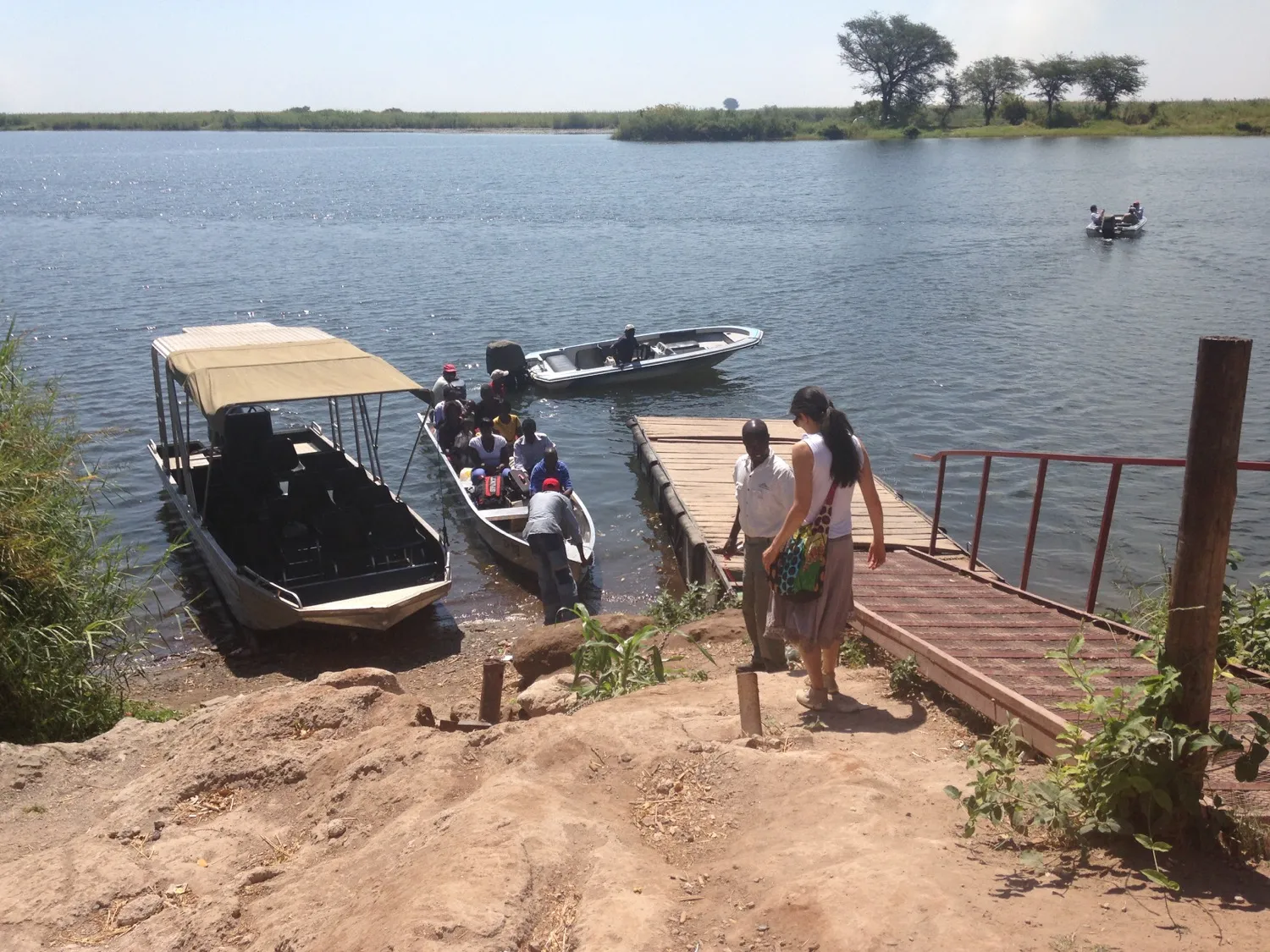
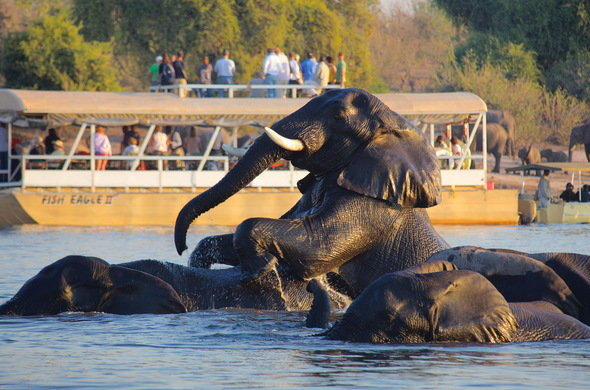
Boat Safari
Provides access to rivers, channels, lagoons and other aquatic environments where conditions permit, creating opportunities to observe aquatic wildlife and water-associated birds.
They can complement one another rather than being competing alternatives.
Quality Experience
What Makes a Good 4×4 Safari Experience?
A quality 4×4 safari is not simply about having a four-wheel-drive vehicle.
Knowledgeable guiding
Understanding wildlife behaviour, habitats, tracks and environmental conditions.
Responsible driving
Respecting animals, other guests, park regulations and designated routes.
Patience
Wildlife observation is unpredictable and genuine sightings cannot be guaranteed.
Good interpretation
Helping guests understand the ecosystem rather than simply naming animals.
Appropriate vehicles
Selecting a vehicle suited to the terrain, weather and safari conditions.
Safety awareness
Treating wildlife and wilderness conditions with appropriate respect.
Conservation responsibility
Minimising disturbance and following environmental regulations.
Guest Expectations
Important Things Guests Should Understand
A responsible safari description should set realistic expectations about nature and wildlife.
A responsible safari description should never promise guaranteed animal sightings.
Wildlife moves freely and conditions change. One safari may produce numerous sightings while another may involve more time tracking, searching and observing the landscape.
Likewise, seeing a particular species is never guaranteed simply because that species is known to occur in a particular park.
A 4×4 safari should therefore be presented as an opportunity to experience wildlife and wilderness, rather than as a guaranteed wildlife checklist.
Questions
Frequently Asked Questions
What is a 4×4 safari?
A 4×4 safari is a wildlife and wilderness experience conducted in a four-wheel-drive vehicle, allowing guests to explore safari roads and tracks and search for wildlife across different habitats.
Does 4×4 mean off-road safari?
Not necessarily. A four-wheel-drive vehicle can be used on established safari roads and tracks. Whether off-road driving is permitted depends on the rules of the specific park, reserve or concession.
What animals can I see?
Possible sightings depend on the destination and season and may include elephants, lions, leopards, buffalo, wild dogs, giraffes, zebras, hippos, antelope, crocodiles and numerous bird species. Sightings are never guaranteed.
Are 4×4 safaris suitable for photography?
Yes. A vehicle can provide access to different wildlife areas and allow photographers to spend time observing behaviour and waiting for suitable photographic opportunities.
Are 4×4 safaris available throughout the year?
Availability depends on the destination, park operating season, weather, road conditions and safari operator. Some routes can become difficult or inaccessible during heavy rains.
Are night 4×4 safaris available?
Sometimes, but not everywhere. Night-drive rules vary significantly by destination. Botswana, for example, restricts night driving in official national parks and reserves while allowing it in some private concession areas.
Is it safe to leave the vehicle during a safari?
Guests should never leave a safari vehicle unless the guide has specifically confirmed that it is safe and permitted.
Do I need previous 4×4 driving experience?
Not for a guided vehicle-based safari where a professional driver or guide operates the vehicle. Self-drive 4×4 experiences are different and may require appropriate driving ability, route knowledge and preparation.
Namibia's tourism authority specifically recommends guided tours for travellers undertaking more serious off-road 4×4 experiences.
Can children join a 4×4 safari?
Children may be able to participate, but age limits and child policies vary by operator, park and safari activity. Families should confirm the specific requirements before booking.
Can people with limited mobility join?
Possibly, but accessibility depends on the vehicle, boarding arrangements and terrain. These requirements should be confirmed with the safari operator before booking.
Website-Ready Description
4×4 Safari Experiences
Explore Africa's wilderness from the seat of a capable 4×4 safari vehicle.
A 4×4 Safari Experience offers an exciting way to explore Africa's wildlife and natural landscapes while travelling through established safari roads and tracks. Four-wheel-drive vehicles are particularly valuable in remote areas where terrain can include gravel, sand, mud, uneven ground and other challenging conditions.
With an experienced guide leading the experience, guests can spend time searching for wildlife, observing animal behaviour, learning about the surrounding ecosystem and discovering the smaller details of the African bush. Depending on the destination, a safari may travel through open plains, woodland, riverine environments, wetlands or other wildlife habitats.
Every drive is different. Wildlife moves freely, weather conditions change and sightings cannot be guaranteed. The emphasis is on experiencing the wilderness responsibly, taking time to observe nature and allowing each safari to unfold naturally.
4×4 safaris may be available as morning, afternoon, evening or, where regulations permit, night experiences. The exact format depends on the destination, season, park regulations and safari operator.
Whether you are travelling for wildlife, photography, birdwatching, landscapes or simply the experience of being surrounded by African wilderness, a 4×4 safari provides an excellent way to explore areas that may be difficult to reach by ordinary vehicles.
From the wildlife-rich landscapes of Zambia and Zimbabwe to the diverse wilderness of Botswana and Namibia, 4×4 safari experiences can form an important part of a Southern African adventure. Availability, vehicle type, route access and safari regulations vary by destination.
Travel deeper. Explore responsibly. Experience the wild from a different perspective.
Tell us where you are travelling, when you are planning to go and what kind of experience you want. We can then confirm the activity options that fit your itinerary.
Start Your Enquiry →